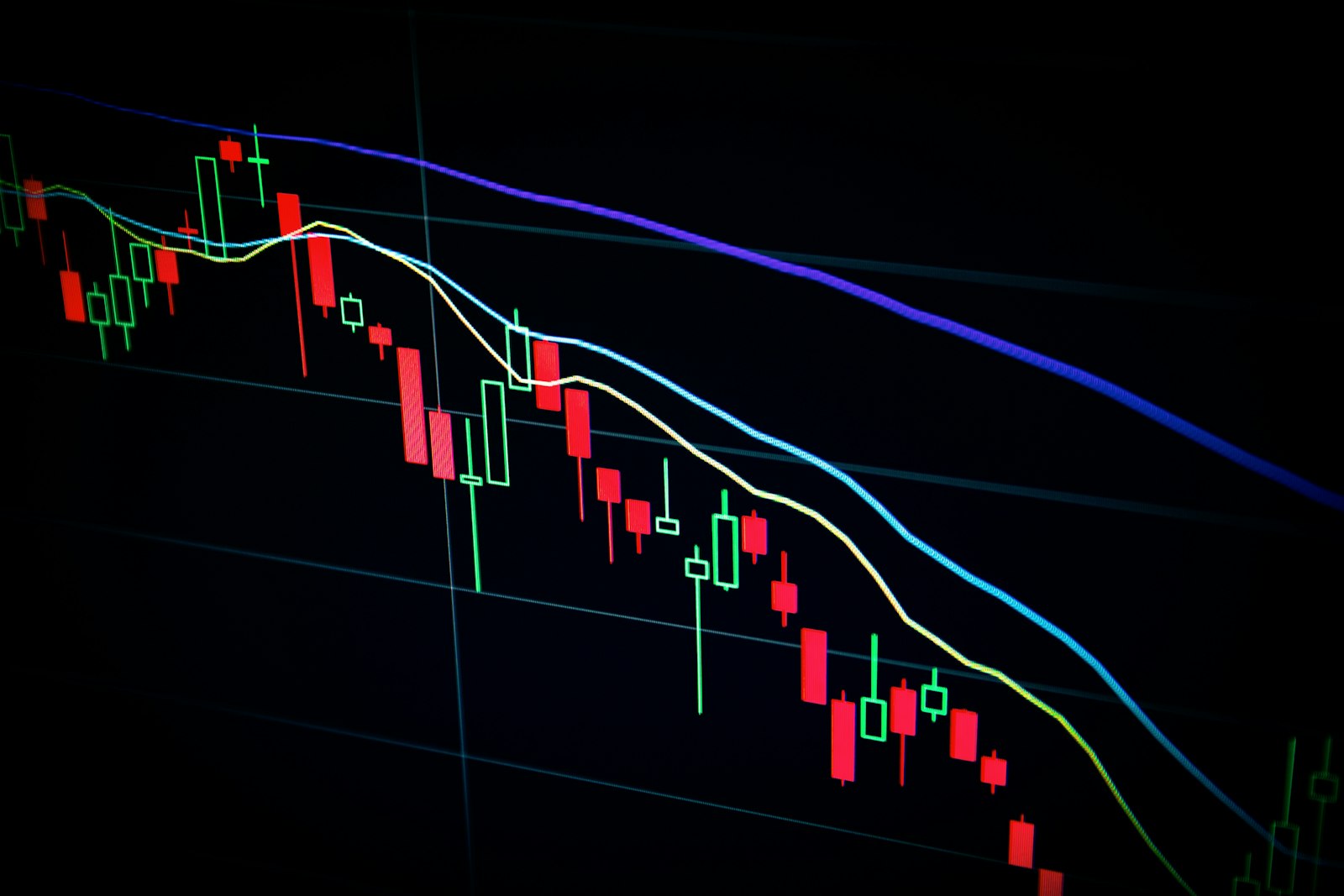
THE SCENE
Four green in a row, and you've already lost.
Tuesday. 11:04am. You're up four trades in a row on a small-cap runner that keeps offering the same clean pullback. First entry was 500 shares. Then 750. Then 1,000. Now you're sizing the fifth one and the size you type without thinking is 1,500. Maybe 2,000.
You don't notice the jump. You notice the read. The read is so obvious — the same VWAP reclaim, the same shelf, the same buyer stepping in — that the position size feels like a footnote. The trade hasn't changed. The exposure has tripled. And your nervous system, drunk on four clean wins in a row, is the worst possible auditor of that gap.
This is the trap nobody warns you about because it doesn't feel like a trap. It feels like progress. It feels like the market is finally paying you what you're worth. The truth is more boring and more expensive: the position size that just made you four R is the size that will give it all back in the next forty minutes, and you will not see it coming because you are looking at the chart instead of the ratchet.
THE MATH
Upsize math is asymmetric and you know it.
Run the numbers cold, away from the seat. You took four trades at climbing size. Let's say collectively you're up $1,800. Good morning. Now you size the fifth at the new ceiling — the size that finally feels normal — and that one trade loses. Not catastrophically. Just a normal stop-out. The kind of loss you'd shrug at on Monday.
The problem is the size isn't Monday's size. At the new ceiling, one stop-out is $1,400. You're not red on the day. You're up $400. And here's where the second trap closes: you don't take the $400 and walk. You take the $400 and re-enter, because the brain that just got four clean wins refuses to accept the day ending at +$400 when it was just at +$1,800 a few minutes ago.
- The first green trade gave you confidence.
- The second gave you confirmation.
- The third gave you permission.
- The fourth gave you a ceiling that won't come back down.
That ceiling is the actual problem. Not the loss. The loss is just the messenger. The ceiling — the new "normal size" that your brain quietly accepted somewhere between trade two and trade three — is the part that doesn't reset overnight. You wake up Wednesday morning and the size that felt aggressive on Monday now feels like baseline. You will trade at that baseline whether the setup deserves it or not.
The position size that just made you four R is the size that will give it back in forty minutes. The brain that built that size will not be in the room to argue with you.
THE BROWN BELT PROBLEM
Competence is the dangerous belt.
In jiu-jitsu there's a thing instructors say: white belts don't get hurt because they know they don't know anything. Black belts don't get hurt because they actually know. The injuries cluster in the middle — blue and purple, sometimes brown. The belt where you're skilled enough to attempt the thing but not skilled enough to know what it costs.
Trading has the same curve. Year-one traders blow up but the damage is small because the size is small. Veterans of a decade have a number they don't cross, and they don't cross it whether the read is clean or not. The blow-ups that actually end careers happen in the middle — to traders who've been at it long enough to read tape, long enough to size up, long enough to trust themselves, and not long enough to have a written rule that overrides the trust on the days the trust is wrong.
A four-green streak is the trust at maximum volume. It is the brown belt walking onto the mat against a fresh black belt thinking I know what I'm doing now. The strike is the same strike you've drilled a thousand times. The opponent is the one variable you didn't account for. In trading the opponent is always your own size, and your size is always the variable you measure last.
WHAT CATCHES IT
The ratchet only stops if something outside you stops it.
Here's the part traders resist hearing: you cannot self-audit your size during a green streak. The same neurochemistry that's rewarding you for the last four wins is actively suppressing the part of your brain that would flag the size jump on the fifth. This isn't a discipline failure. It's a wiring problem. The auditor is asleep because the dopamine put it to sleep.
Which means the catch has to be external. It has to be a system that sees the size pattern from outside your seat, that knows what your normal looks like over the last twenty sessions, that flags the moment you crossed the line — not after the loss, when you already know, but at the entry, when you still have a choice.
- A baseline size you committed to before the bell, written down somewhere your 11am self can't argue with.
- A trigger that fires when today's average size drifts more than a defined percentage above that baseline.
- A pause built into the workflow before the upsized order goes through — a forced beat where the question "is this size or is this story" gets asked out loud.
- A log of every prior session where the size-up streak ended in give-back, presented at the moment your brain is least equipped to remember it.
None of that is willpower. All of it is infrastructure. The traders who survive the brown-belt years are not the ones with more discipline — they are the ones who stopped trusting themselves to ratchet down voluntarily and built something that does it for them.
The give-back is the tuition. The ratchet is the lesson.
A losing trader who blows up learns something every veteran already knows: that the worst day usually follows the best day, and the size that made the best day is the same size that made the worst one. The lesson costs a few thousand dollars and a weekend of journaling and it gets remembered for about three weeks before the next green streak quietly upgrades the ceiling again.
MAKETZO's Strike System exists for the size-up moment specifically — not the entry, not the exit, but the silent ratchet between trade three and trade four when nothing on the chart has changed and everything in your sizing has. It watches the pattern, holds your own baseline against you, and surfaces the warning while you can still type a different number. That is the work the day-of brain cannot do for itself, and it's the work that separates the traders who compound from the traders who keep paying the same tuition every quarter. Start the trial when you're ready to stop trusting Tuesday-at-11am to remember what Monday-at-the-close already knew.
Photo by Maxim Hopman on Unsplash